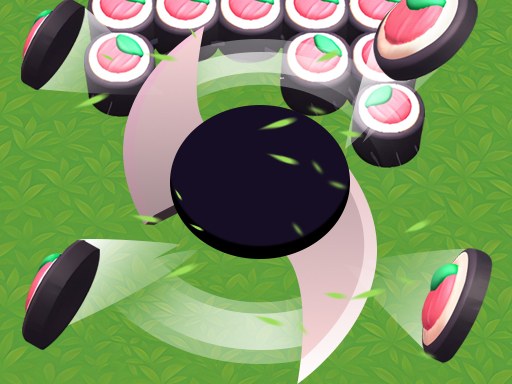
Cut Art Master
Hypercasual precision cutting. Repetitive, focused motion for hands that need grounding and anxious energy channeled into clean, satisfying outcomes.
Position the lounge as a mental-state diagnostic hub where players identify their mood and receive algorithmically-matched game prescriptions.
Start your diagnosisEach game below targets a specific mental strain pattern. Repetitive motion calms anxious hands. Quick wins rebuild confidence. Immersion breaks the loop of intrusive thought. Play the mechanism your state requires.
Hypercasual precision cutting. Repetitive, focused motion for hands that need grounding and anxious energy channeled into clean, satisfying outcomes.
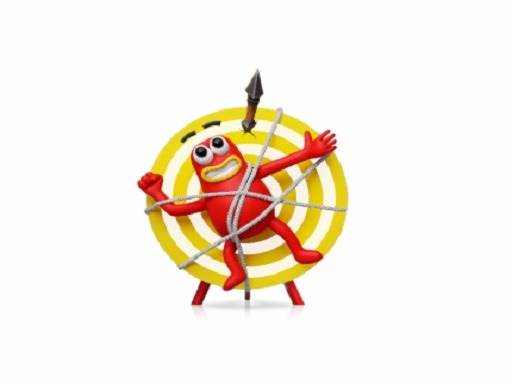
3D arcade targeting. Demands present-moment focus and rapid decision-making, breaking rumination cycles and restoring agency through immediate feedback.
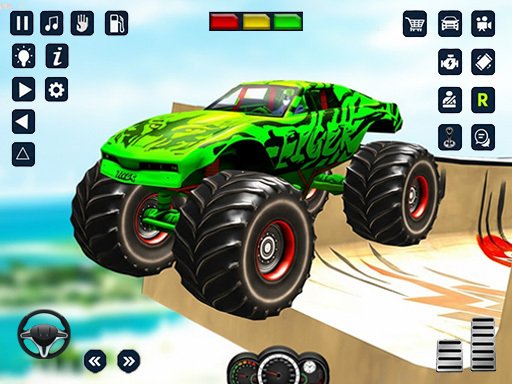
High-octane racing. Physical intensity and momentum-based control satisfy the restless nervous system seeking kinetic release and tangible progress.
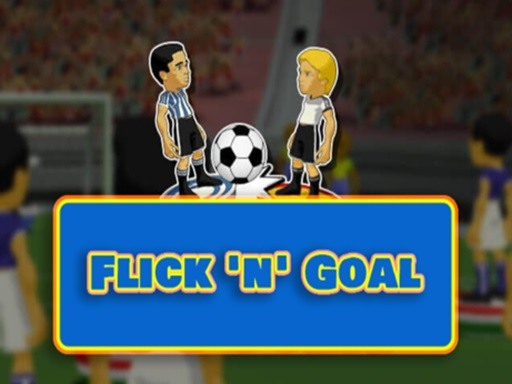
Soccer skill challenges. Quick-win structure and spatial problem-solving rebuild confidence and sense of competence without cognitive overload.

Hypercasual collecting. Gentle, rhythmic progression and visual reward loops soothe disconnection by creating low-pressure accumulation and calm mastery.

Narrative puzzle hunting. Sustained attention and discovery-based reward engage the mind fully, displacing intrusive thoughts through immersive exploration.
See how four professionals identified their mental state and found relief through precision play. Each scenario shows the strain signature, the game prescribed, and the observable shift.
State: Three competing deadlines, email overflow, inability to prioritize. Mental signature: decision paralysis and intrusive task-switching. Prescription: Hidden Object Time Travel. Why: Singular, absorbing focus on one task (object discovery) resets the atte
State: Energy unspent, body fidgeting, mind racing. Mental signature: suppressed movement drive. Prescription: Extreme Monster Truck. Why: High-velocity, physics-based control channels restless energy into momentum and tangible speed. Satisfies the nervous sys
State: Replaying a difficult conversation, catastrophizing about tomorrow. Mental signature: intrusive thought cycle. Prescription: Aim and Snap: Arrow Srike. Why: Demands present-moment targeting and rapid micro-decisions, crowding out rumination with immedia
Anonymized play data reveals which mental states drive which game choices. These patterns confirm what neuroscience predicts: the right mechanism, applied to the right state, produces consistent relief.
Players choose these after 5 PM, when decision fatigue is highest. Repetitive, low-demand mechanics allow the prefrontal cortex to rest while maintaining engagement. Peak play: 6–9 PM.
2–4 PM sessions show highest selection of Aim and Snap and Extreme Monster Truck. Players instinctively seek kinetic intensity and rapid feedback when energy dips. Mechanism: immediate sensory stimulation resets alertness.
Players use Hidden Object Time Travel to transition into focused work. The immersive, singular-task structure primes the attention system for sustained concentration. Pre-work play correlates with reported productivity gains.
The Lounge replaces generic 'pick a game' with precision matching. You identify your strain pattern. The system maps it to a game mechanism. You play with purpose and measurable relief.
Restless? Overwhelmed? Disconnected? Fatigued? Each mental state has observable markers: where your attention goes, what your body does, which thoughts loop. Name it accurately. Diagnosis starts with honest recognition.
Every game in The Lounge targets a specific neurological need. Repetitive motion for anxiety. Rapid decision-making for rumination. Gentle progression for disconnection. The mechanism, not the theme, does the work. We show you why.
You're not killing time. You're applying a precision tool to a specific mental state. Play until the shift happens—usually 4–12 minutes. Notice the change in your nervous system. Return to work or rest with measurable clarity.
Microbreaks matter. But not all breaks reset the nervous system equally. The Lounge players report that precision-matched games produce measurable calm and focus recovery—unlike passive browsing, which deepens the strain.
A 5-minute scroll often extends stress. A 5-minute precision game shifts it. Players report returning to work with restored attention, not depleted willpower. The mechanism—not the duration—determines the outcome.
When you understand that Cut Art Master targets anxious hands, not just 'relaxation,' you play with intention. You notice the shift. You trust the tool. Transparency builds agency, not dependency.
Shared microbreaks—where a team plays the same game for 4 minutes—rebuild cohesion and synchronize nervous systems. Remote work isolation dissolves briefly. Players return to collaboration with renewed presence.
The Lounge is built on observable neuroscience, not engagement metrics. Each game is selected because its core mechanism addresses a specific mental strain pattern. We show you the reasoning. You decide if it fits.
A puzzle game doesn't calm anxiety because it's 'relaxing.' It calms anxiety because sustained single-task focus crowds out intrusive thought. A racing game doesn't energize because it's 'fun.' It energizes because kinetic intensity satisfies a restless nervou
Restlessness, overwhelm, disconnection, and fatigue are not feelings—they are nervous system states with observable markers. Restlessness shows as fidgeting and racing thoughts. Overwhelm shows as decision paralysis. Disconnection shows as flatness and low eng
The Lounge reframes gaming as precision intervention. You're not avoiding work or numbing pain. You're applying a specific neurological stimulus to reset a specific mental state. The session is short. The intention is clear. The return to work or rest is measu